Oppose IP28 Oregon status update — August 2026: The Oregon Secretary of State reports that Initiative Petition 28 did not receive enough valid signatures to qualify for the 2026 General Election ballot. The material below is retained as a historical discussion of the proposal. Verify the official status.
Oregon IP 28 Status: Petition Did Not Qualify for 2026 Ballot
Oppose IP28 Oregon: the verified status and historical record
Initiative Petition 28 did not qualify for Oregon’s 2026 General Election ballot. The Oregon Secretary of State’s official record says the petition did not receive enough valid signatures. Readers searching oppose ip28 oregon therefore need a historical explanation, not instructions for an upcoming vote.
The proposal still warrants careful review because it prompted questions about animal welfare, food production, fishing, hunting, wildlife management, and research. Those questions should be separated from the settled ballot-status question and described with the petition text, not campaign summaries.
What the petition proposed
The existing article identifies several proposed changes to Oregon’s animal-cruelty framework. It says the petition would have included fish within the relevant definition of animal and removed exemptions associated with lawful hunting, fishing, trapping, livestock and poultry practices, slaughter, animal husbandry, wildlife management, pest control, and certain research or teaching activities.
Those descriptions must be checked against the certified petition language available through the Secretary of State’s petition and explanatory-statement records. Any summary should distinguish language the measure would have deleted, language it would have added, and conduct governed by other Oregon laws.
Why qualification ended
Oregon initiatives must complete formal steps before appearing on a statewide ballot, including submission and verification of signatures. The decisive fact here is the reported verification result. The article should not imply that voters will decide IP 28 in 2026, solicit opposition to a pending measure, or describe speculative impacts as enacted law.
How to discuss possible effects
Potential effects on farms, ranches, anglers, hunters, researchers, or land managers belong in a clearly labeled historical or hypothetical section. A useful comparison identifies the existing exemption, the proposed change, the affected activity, and any uncertainty about enforcement. Unsupported financial estimates and claims about intent should be removed.
Supporters emphasized broader protection for animals. Opponents raised concerns about lawful food production, outdoor activity, and land management. A neutral record presents both positions as arguments made before qualification ended, then returns to the actual petition language and official status.
What Northwest Oregon readers can verify
Readers can compare the proposal with the site’s background on animal welfare, agriculture biosecurity, and coastal ports and fishing. These links provide context, but the Secretary of State remains the authority for petition wording and ballot qualification.
Update standard
The page should display a verification date and link directly to the state record. If a future petition addresses similar subjects, it should receive a separate explainer with its own number, text, deadlines, and status rather than being folded into this archived discussion.
An update log should record the original publication date, the failed-qualification correction, and any later source review. That history lets readers see why older opposition language was removed while preserving the policy debate as an accurately labeled archive.
The accurate takeaway for oppose ip28 oregon is simple: IP 28 failed signature verification and is not on the 2026 ballot. Its proposed changes may still inform future policy discussions, but every effect must be framed as historical or hypothetical and tied to the official text.
Primary and authoritative sources
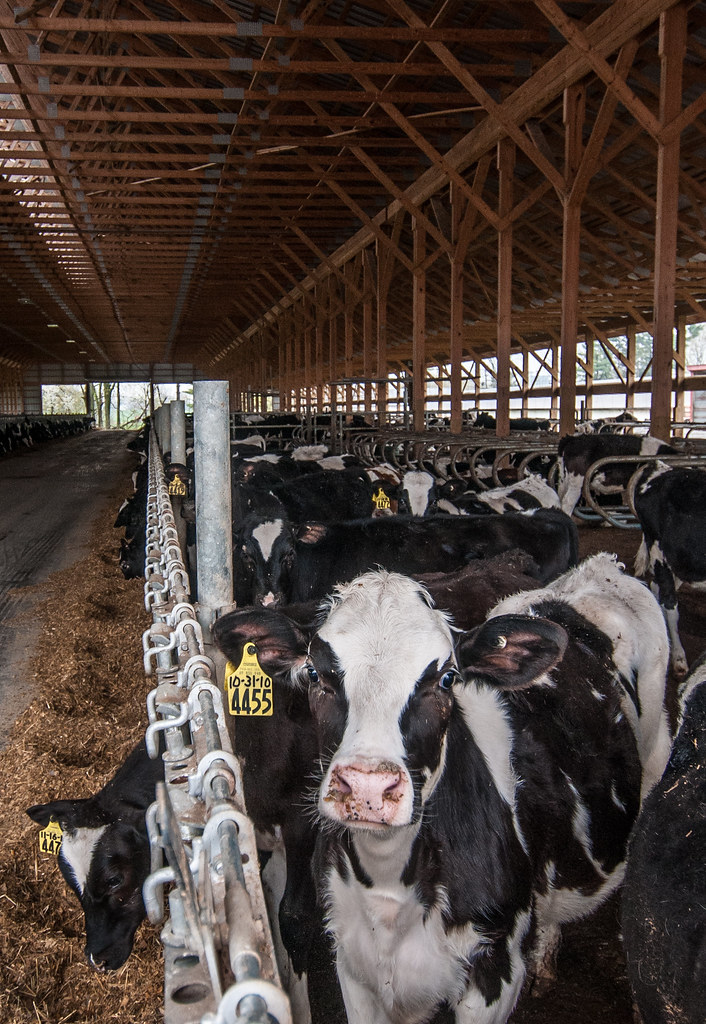
How Animal-Rights Activism Could Threaten Farming, Hunting, Fishing, and Rural Life in Oregon
Before signature verification was completed, Oregonians debated the possible effects of IP28. The proposal raised questions about how its changes could have affected the state’s rural landscape.
Animal-rights activism is at the heart of this initiative. While well-intentioned, it poses significant risks to farming, hunting, and fishing.
These activities are not just hobbies; they are vital to Oregon’s economy and cultural identity.
IP28 could impose burdensome regulations, threatening livelihoods and traditions. The potential economic impact extends beyond rural areas, affecting urban consumers too.
Understanding the full implications of IP28 is crucial. Voters must weigh the measure’s intentions against its possible consequences. Engaging in informed discussions will help protect Oregon’s heritage and future.
For Oregon voters who care about protecting farms, ranches, fishing, hunting, rural communities, and common-sense animal policy, this is exactly why leadership matters. Dr. Barbara Kahl brings the background of a veterinarian, public policy advocate, and Oregon-rooted candidate for Congress who understands that animal welfare and rural livelihoods must be balanced—not weaponized against the people who feed, work, and steward Oregon.
What Was IP28? Understanding the Petition and Its Origins
IP28 was an initiative petition concerning Oregon animal-cruelty statutes. The Oregon Secretary of State described it as relating to criminalizing certain breeding practices and conduct involving injury to or killing animals. It did not qualify for the 2026 General Election ballot.
Backed by animal-rights activists, the initiative seeks to introduce stricter rules. These might include more rigorous standards for animal treatment and living conditions.
Key points about IP28 include:
- Proposes stricter regulations on animal-related industries.
- Targets farming, hunting, and fishing practices.
- Aims to significantly reduce perceived animal exploitation.
While the goal of IP28 is to enhance animal welfare, its broader impacts are raising concerns. Many fear the measure could unintentionally harm those who rely on these industries.
Oregon voters need clarity on what IP28 entails. Understanding its origins and objectives is vital for making informed choices. This knowledge is crucial for shaping Oregon’s future responsibly.
Why the IP28 Debate Drew Attention
Before the petition failed to qualify, IP28 prompted debate about animal welfare, agriculture, hunting, fishing, and rural livelihoods in Oregon.
Will Oregon protect small farms, family ranches, lawful hunting, fishing traditions, and rural communities? Or will the state allow extreme policy proposals to place long-standing Oregon livelihoods at risk?
This is where voters need strong representation.
Dr. Kahl for Congress represents a practical, Oregon-first approach: protect animals, but do not destroy farming, ranching, hunting, fishing, food production, and rural life in the process.
Oregon deserves leaders who understand both compassion and common sense.
The Role of Animal-Rights Activism in Oregon Politics
Animal-rights activism has gained traction in Oregon’s political landscape. These movements aim to shape policies concerning animal welfare, emphasizing ethical treatment and protection.
Activists advocate for legislative changes through measures like IP28. They seek to reduce animal exploitation by pushing for more stringent regulations and oversight.
Their influence in Oregon politics includes:
- Lobbying for animal welfare legislation.
- Raising public awareness about animal rights issues.
- Collaborating with policymakers to implement changes.
Despite good intentions, some critics argue that these efforts can overlook rural lifestyles and economic realities. Balancing activism with the needs of communities is crucial to ensure fairness and sustainability. Understanding this dynamic is key to Oregon’s future political decisions.
That balance is exactly why Oregon needs leaders like Dr. Kahl—leaders who understand animals, agriculture, families, and the real-world consequences of policy.
How IP28 Threatens Oregon Farming and Ranching
IP28 poses significant risks to Oregon’s farming and ranching sectors. These industries are central to the state’s economy and cultural identity. The proposed regulations could introduce new challenges for farmers.
One major concern is the potential increase in costs. Farmers and ranchers may face higher operational expenses due to stricter animal welfare requirements. Meeting these standards might require additional investments in infrastructure and compliance efforts.
Many worry about the economic viability of small-scale farms. These family-owned operations could struggle to bear the financial burden.
Potential impacts of IP28 include:
- Higher production costs.
- Increased operational challenges.
- Decreased competitiveness for small farms.
Furthermore, the measure might reduce local food production. The reliance on imported goods could increase, affecting food security and local markets. Opponents argue this shift could harm Oregon’s agricultural landscape.
Ensuring a balance between animal welfare and farming sustainability is essential. Addressing these concerns can foster a more supportive environment for farmers and ranchers alike.
Oregon farmers and ranchers should not be treated like criminals for doing lawful, necessary, and responsible work. Dr. Kahl understands that animal care, food production, and rural economies are connected.
The Impact on Hunting and Fishing Traditions
IP28’s implications extend to Oregon’s hunting and fishing communities. These activities are not just pastimes; they are woven into the fabric of Oregon’s heritage.
The proposed measure could impose new restrictions on hunting practices. Some fear it might limit access to traditional hunting grounds or seasons. This shift would adversely affect enthusiasts and local tourism.
Fishing, a cherished activity for many Oregonians, also faces potential threats under IP28. Restrictions could be placed on certain fishing methods or access to key locations. Such changes may reduce fishing opportunities and community gatherings.
Key concerns for hunting and fishing include:
- Restricted access to traditional areas.
- Limitations on methods and seasons.
- Negative impacts on tourism and local economies.
Acknowledging these concerns is crucial. The balance between conservation efforts and maintaining Oregon’s rich traditions is delicate and deserves thoughtful consideration.
Oregon needs representatives who will stand up for responsible outdoor traditions, not allow extreme activism to erase them.
Economic Consequences for Rural Communities
IP28 could have far-reaching effects on Oregon’s rural economies. Many rural communities rely heavily on agriculture and animal-related industries. Changes brought by this measure might disrupt these sectors.
Farmers and ranchers could face increased operational costs. Stricter regulations often lead to higher expenses, affecting profitability. These financial pressures can result in job losses and reduced economic stability.
Small towns that depend on agriculture might see reduced business activity. As local industries struggle, there could be declines in consumer spending. This downturn can ripple through the entire community.
Key economic concerns include:
- Increased operational costs for farmers and ranchers.
- Potential job losses in agriculture-dependent areas.
- Decline in local business activity.
These potential outcomes underscore the importance of considering the broader economic impact. Ensuring the viability of rural economies is vital for Oregon’s overall prosperity.
This is not just about one ballot measure. It is about whether Oregon will protect working families, local food systems, rural jobs, and the communities that keep this state running.
Why Small and Family-Owned Farms Are at Risk
Small and family-owned farms form the backbone of Oregon’s agricultural landscape. These farms often operate on tight margins and face unique challenges. Unlike large corporations, they lack the resources to easily absorb increased costs.
IP28 poses a significant threat to their survival. The financial burden of compliance could be overwhelming. For these farmers, sustaining operations might become untenable.
Preserving these farms is crucial to maintaining Oregon’s agricultural diversity. The loss of these vital enterprises would diminish local food production and cultural heritage. Protecting their interests should be a priority for voters opposing IP28.
Dr. Kahl for Congress understands that Oregon’s small farms are not disposable. They are part of the state’s identity, economy, and future.
Balancing Animal Welfare and Rural Livelihoods
Balancing animal welfare with economic realities is crucial. While animal-rights activism champions ethical treatment, rural livelihoods depend on sustainable practices. A balance must ensure both animal well-being and economic survival.
To achieve this, a cooperative approach is key. Solutions should involve:
- Open dialogues between activists and rural stakeholders.
- Consideration of existing regulations.
- Development of feasible and economical alternatives.
Such collaboration can create strategies that respect animal welfare without threatening agricultural and rural viability.
That is the difference between responsible leadership and reckless policy. Oregon can support animal welfare without destroying farmers, ranchers, hunters, anglers, and rural communities.
Why Dr. Kahl’s Voice Matters in This Fight
Oregon needs leaders who understand the real-world effects of legislation before it harms families, businesses, and communities.
Dr. Barbara Kahl’s background as a veterinarian gives her a unique and credible voice on issues involving animals, agriculture, public health, and responsible care. Her experience gives Oregon voters something rare: a candidate who can speak about animal welfare without falling into extreme policy positions that ignore the people who live and work closest to the land.
Supporting Dr. Kahl for Congress means supporting practical leadership that can stand against dangerous bills, defend Oregon families, and protect the rural traditions that make this state strong.
The Importance of Informed Voting and Community Engagement
Informed voting is essential for the future of Oregon. Understanding IP28’s implications ensures voters make decisions that protect local industries. This knowledge is vital in shaping policies that affect daily life.
Community engagement plays a crucial role too. Active discussions and public forums help raise awareness. By participating, voters can influence outcomes that align with Oregon’s economic and cultural values. Engaged communities foster informed decisions.
Oregon voters should ask hard questions, read the details, talk to farmers and ranchers, listen to hunters and anglers, and support candidates who will defend common sense.
Conclusion: Protecting Oregon’s Heritage and Future
Oregon’s heritage is deeply intertwined with farming, hunting, and fishing. These practices are not just economic activities but also cultural cornerstones. IP28 poses risks that could undermine these traditions.
Preserving rural livelihoods while considering animal welfare remains an important policy question. Because IP28 did not qualify, Oregon voters will not decide it on the 2026 General Election ballot. The petition’s debate may still inform future proposals, but this article should not imply that a vote on IP28 is pending.
Oregon does not need extreme policy that threatens farms, ranches, hunting, fishing, food production, and rural communities. Oregon needs practical leadership, informed voters, and representatives who will stand up when dangerous bills go too far.
Readers evaluating future proposals should compare the official petition text, signature status, and financial estimates before drawing conclusions.
Why the IP28 debate mattered locally
The proposed changes could have affected communities differently across OR-01. The earlier debate included possible effects on farms near Forest Grove and Cornelius, fishing families in Astoria and Tillamook, hunters in Columbia County, and small businesses tied to rural life.
Dr. Kahl’s opposition is rooted in a simple standard: protect animals through enforceable cruelty laws without threatening Oregon agriculture, the Oregon fishing industry, lawful hunting, veterinary care, or the Oregon Coast economy.