Oregon Issues
Small Ports, Deep Impact: Unleashing Oregon’s Coastal Logistics
Oregon small ports: distinct roles and measurable infrastructure needs
Oregon small ports support working waterfronts, commercial fishing, marine services, freight connections, tourism, and emergency readiness, but no two facilities have the same mission. A useful North Coast review starts with each port district’s governing record, current projects, and the land-and-water connections that allow local businesses to operate.
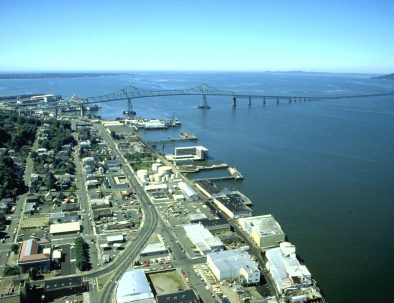
Astoria, Warrenton, Garibaldi, and Tillamook are often discussed together in the existing article. They should not be treated as interchangeable. Channel depth, docks, roads, rail access, utilities, seafood facilities, visitor activity, and nearby employers create different operating needs and funding priorities.
What public ports contribute
Business Oregon publishes material on the economic role of public ports and a broader report on their benefits and infrastructure needs. These sources provide a starting point for explaining how port activity connects producers, processors, workers, carriers, and customers.
Local reporting should name the function being measured. Vessel calls, landed seafood, tenant employment, cargo volume, visitor activity, emergency capacity, and capital construction are different indicators. Combining them into a single claim about ‘port jobs’ can obscure which investment produced which result.
Infrastructure works as a connected system
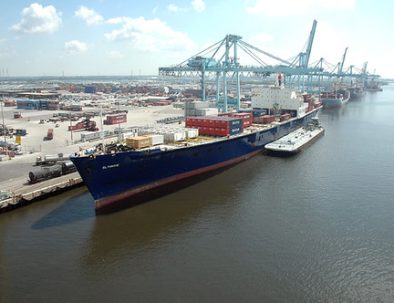
A maintained channel is useful only if vessels can reach a safe berth. A dock is useful only if roads, utilities, storage, and processing capacity support its users. The Oregon Freight Plan helps place coastal facilities within the larger network that moves goods to inland markets.
Project descriptions should therefore separate dredging, channel access, dock condition, highway connections, rail, water, power, and communications. Each need has a different owner, permitting path, cost share, schedule, and measure of completion.
Funding requires a project-level record
Federal, state, and local programs can participate in maritime projects, but a grant announcement is not the same as an obligation, payment, completed project, or verified outcome. Readers should be shown the applicant, award stage, local match, total project cost, construction status, and next decision date.
Environmental review and federal water jurisdiction also affect some projects. The site’s explainer on WOTUS rules for ports provides background, while current agency guidance should control any permit-specific claim.
Resilience belongs in capital planning
Coastal facilities may support evacuation, response, supply delivery, or recovery after a disruption. Resilience claims should identify the hazard, facility role, backup requirement, and responsible agency. The related Astoria tsunami shelter funding article shows why project stages and funding terms must remain distinct.
A public dashboard would improve accountability
For these port districts, a useful dashboard would list priority projects, documented need, lead agency, funding source, match, milestones, permit status, and outcome measures. That format helps residents distinguish urgent maintenance from long-range expansion and compare promises with completed work.
Meeting packets, adopted budgets, grant records, and construction updates can supply the underlying evidence. Each entry should link to the responsible authority instead of asking readers to rely on a summary alone.
The best Oregon small ports policy begins with named facilities and verifiable projects. Current port records, state economic reports, freight planning, and transparent milestones can show where a limited investment improves safety, access, commercial activity, or emergency capacity without reducing every coastal community to the same story.
Primary and authoritative sources
Editorial note: This explainer summarizes public sources and distinguishes verified facts from proposals and commentary.
Serving Oregon’s 1st Congressional District
Oregon’s 1st Congressional District includes Clatsop County, Columbia County, Tillamook County, most of Washington County, and part of Multnomah County, including Portland’s west side.
These priorities affect Hillsboro, Beaverton, Tigard, Forest Grove, Astoria, Warrenton, Seaside, Tillamook, St. Helens, Scappoose, Vernonia, Rainier, Clatskanie, west Portland, and communities across northwest Oregon.
Related visual context
Source-credited images connected to the article’s policy, geography, or public-accountability themes.