
Oregon Issues
Modernizing the Stafford Act: A Logistical Blueprint for Federal Wildfire Response
Stafford Act Wildfire Response: Seven Critical Oregon Facts
Stafford Act wildfire response describes federal disaster authorities that can support eligible work, but it does not make every wildfire cost reimbursable. The type and timing of a declaration matter, as do the applicant, damaged facility, work category, documentation, cost share, and current FEMA rules. Oregon communities need a clear distinction among fire-management assistance, emergency declarations, major-disaster declarations, mitigation, and other land-management programs.
The FEMA Stafford Act page provides the statutory and program frame. During a qualifying fire, officials may also examine Fire Management Assistance Grant information. Current declarations, eligibility rules, and cost shares must be verified for the specific event; an earlier Oregon disaster is context, not proof that a later request will qualify.
Distinguish declaration pathways
Fire Management Assistance can support eligible firefighting costs when federal criteria are met. Emergency and major-disaster declarations can open different forms of assistance under their own requirements. A guide should identify the actual declaration and authorized programs rather than using “federal disaster aid” as if it were one interchangeable fund.
Identify eligible applicants and work
States, tribes, local governments, certain organizations, households, and businesses may encounter different assistance channels. Eligibility depends on the program. Public infrastructure work, individual assistance, and business lending should be explained separately, and readers should be directed to the official resource that applies to their status and loss.
Document costs from the beginning
Local governments should preserve incident records, procurement decisions, labor and equipment use, mutual-aid information, damage documentation, and insurance details as required by the applicable program. Reimbursement can depend on eligibility and documentation, not only on whether an expense felt necessary during response. Current FEMA guidance controls.
Separate response, recovery, and mitigation
Active firefighting, debris work, repair of damaged facilities, temporary housing, and future risk reduction can involve different authorities and timelines. The Oregon State Fire Marshal’s Response Ready Oregon materials address state readiness and response context; they should not be presented as a substitute for FEMA eligibility rules.
Use Oregon examples carefully
A documented Oregon declaration can illustrate process, eligible categories, or recovery challenges. It cannot establish that every community will receive the same aid or face the same delay. Examples should name their dates and sources, state what they demonstrate, and acknowledge what they do not prove.
Label reform ideas as proposals
Suggestions involving logistics, housing, reimbursement, or infrastructure should identify the current rule being discussed and the level of government with authority to change it. Claims about underpayment or delay need evidence. Readers can compare related preparedness needs through SAFER grants for Oregon fire departments.
Reliable stafford act wildfire response information is declaration-specific, program-specific, and dated. Before using the guide for an active event, confirm FEMA rules, Oregon declarations, assistance availability, deadlines, and cost-share terms through current official sources.
Residents and local officials should also distinguish an application deadline from an eligibility determination or award. A public checklist can name the responsible agency, the assistance channel, the required records, and the official contact without promising reimbursement.
Primary and authoritative sources
Editorial note: This explainer summarizes public sources and distinguishes verified facts from proposals and commentary.
Wildfire assistance: declaration and documentation check
The Stafford Act provides federal disaster authorities, but a wildfire does not automatically make every response or recovery expense eligible. Officials should identify the declaration type, authorized program, applicant, work category, cost share, documentation rule, and deadline shown in current FEMA material.
Keep assistance pathways separate
Fire Management Assistance, emergency declarations, and major-disaster declarations can support different work under different criteria. Oregon State Fire Marshal preparedness material adds state context; it does not replace Stafford Act eligibility rules for a specific incident.
Preserve the event record
A wildfire response file can document incident decisions, labor and equipment, mutual aid, procurement, damage, insurance, and communications. The record should distinguish an application from an eligibility decision, award, payment, and completed recovery project.
A dated checklist helps communities verify the applicable declaration and assistance channel without promising reimbursement before the responsible agency reviews the claim.
Official sources for this reference section
Serving Oregon’s 1st Congressional District
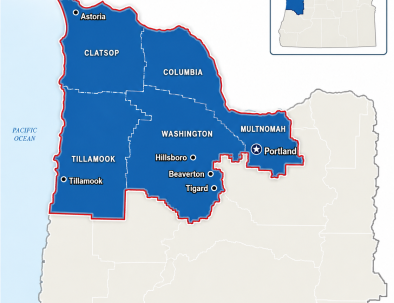
Oregon’s 1st Congressional District includes Clatsop County, Columbia County, Tillamook County, most of Washington County, and part of Multnomah County, including Portland’s west side.
These priorities affect Hillsboro, Beaverton, Tigard, Forest Grove, Astoria, Warrenton, Seaside, Tillamook, St. Helens, Scappoose, Vernonia, Rainier, Clatskanie, west Portland, and communities across northwest Oregon.
Related visual context
Source-credited images connected to the article’s policy, geography, or public-accountability themes.