Early literacy
Strong reading instruction in the early grades supports every later subject. Schools should use evidence-based practice, publish progress, and intervene before students fall years behind.

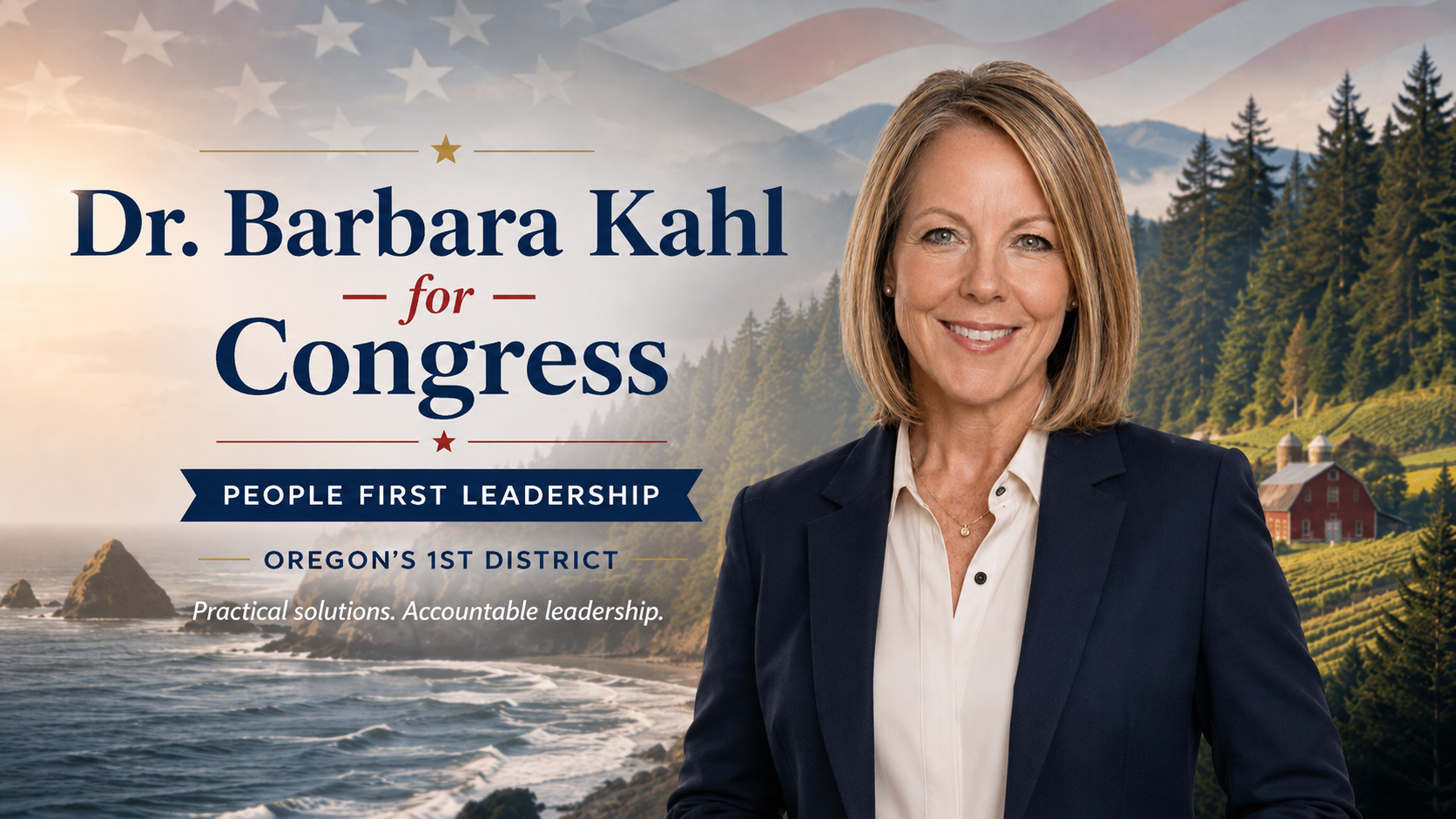
This education results guide highlights three practical points for Oregon District 1 voters. Compare education results priorities with the Oregon Legislature district maps.
Oregon education results: Oregon education results should show whether students are mastering reading, writing, mathematics, civic knowledge, and practical skills. Spending matters, but families also need transparent evidence of learning and readiness.
Strong reading instruction in the early grades supports every later subject. Schools should use evidence-based practice, publish progress, and intervene before students fall years behind.
College, apprenticeships, skilled trades, military service, and direct employment all deserve rigorous preparation and respected routes from school to adult opportunity.
Families and educators need timely data, understandable goals, classroom flexibility, and leadership that corrects programs when outcomes remain weak.
Oregon education results affects people differently across Clatsop, Columbia, Tillamook, Washington, and Multnomah counties. Strong federal representation should test proposals against local jobs, household costs, public safety, natural resources, and measurable results—not partisan talking points alone.
Independent supporters provide this information to help Oregon District 1 voters compare priorities and ask better questions. Verify official commitments and current campaign information with primary sources.
Explore Oregon District 1 · Review all issues and priorities
Oregon's 1st Congressional District includes Clatsop County, Columbia County, Tillamook County, most of Washington County, and part of Multnomah County, including Portland's west side.
These priorities affect Hillsboro, Beaverton, Tigard, Forest Grove, Astoria, Warrenton, Seaside, Tillamook, St. Helens, Scappoose, Vernonia, Rainier, Clatskanie, west Portland, and communities across northwest Oregon.